
Home Restoration & Roofing in Country Club Hills, IL
Local Roofing Contractor Expertise
Near the amphitheater and community parks in Country Club Hills, homeowners face serious roofing challenges from hail, wind, and ice dams. A roofing contractor skilled in storm damage claim assistance in Country Club Hills, IL helps you document damage, work with insurance, and restore your roof properly. This page covers what to expect after a storm, how claims work, and why local expertise matters for your home.
How Storm Damage Works
Hail and wind in Country Club Hills cause invisible roof fractures that lead to leaks months later. Your first step is a professional inspection—not a claim.
Spot the Damage Early
Look for missing shingles, granule loss on gutters, or cracks in flashing. Hail creates small dents that weaken shingles over time. Wind rips edges or lifts seams. Ice dams in cold seasons force water under shingles. Many homeowners near Cicero Avenue and 183rd Street neighborhoods don't see damage from ground level.
Get a Detailed Inspection
A certified inspector documents all damage with photos before you file a claim. This protects you. The inspection report becomes your proof. Never file a claim based on guesses—insurance adjusters need clear evidence.
Understand Your Policy Window
File hail or wind claims within 12 months of the storm; some policies allow 24 months. Waiting weakens your case. Delayed repairs lead to water intrusion, mold, and secondary damage that insurers may not cover.
The Claim Process Step by Step
Filing a roof damage claim involves documentation, adjuster meetings, and repair coordination. Here's what happens at each stage.
Document Everything
Take dated photos of roof damage, gutters, and landscaping. Hire a roofer to inspect and photograph hidden damage. Keep all written records.
Notify Your Insurer
Contact your insurance company by phone or online. Report the damage and the date of the storm. Request your claim number and adjuster's contact info.
Adjuster Inspection
The insurance adjuster visits your property. Have your roofer present to explain damage. Provide your photos and inspection report. The adjuster calculates the claim's Actual Cash Value.
Initial Payment
Insurance releases upfront funds (minus your deductible) to start repairs. This covers material and labor. You can begin work with your contractor.
Complete Repairs
Your roofer performs all necessary work and provides an invoice. Submit the final invoice to your insurance company.
Final Settlement
Insurance releases the remaining balance (depreciation amount). You receive full Replacement Cash Value. Work is complete.
Clear communication with your insurer at each step protects your claim and ensures fair payment.
Why Local Expertise Matters in Country Club Hills
Building Codes & HOA Rules
Country Club Hills has specific building codes and HOA requirements that affect material choices. A local contractor knows which shingles, colors, and profiles meet regulations. This prevents costly reinstalls.
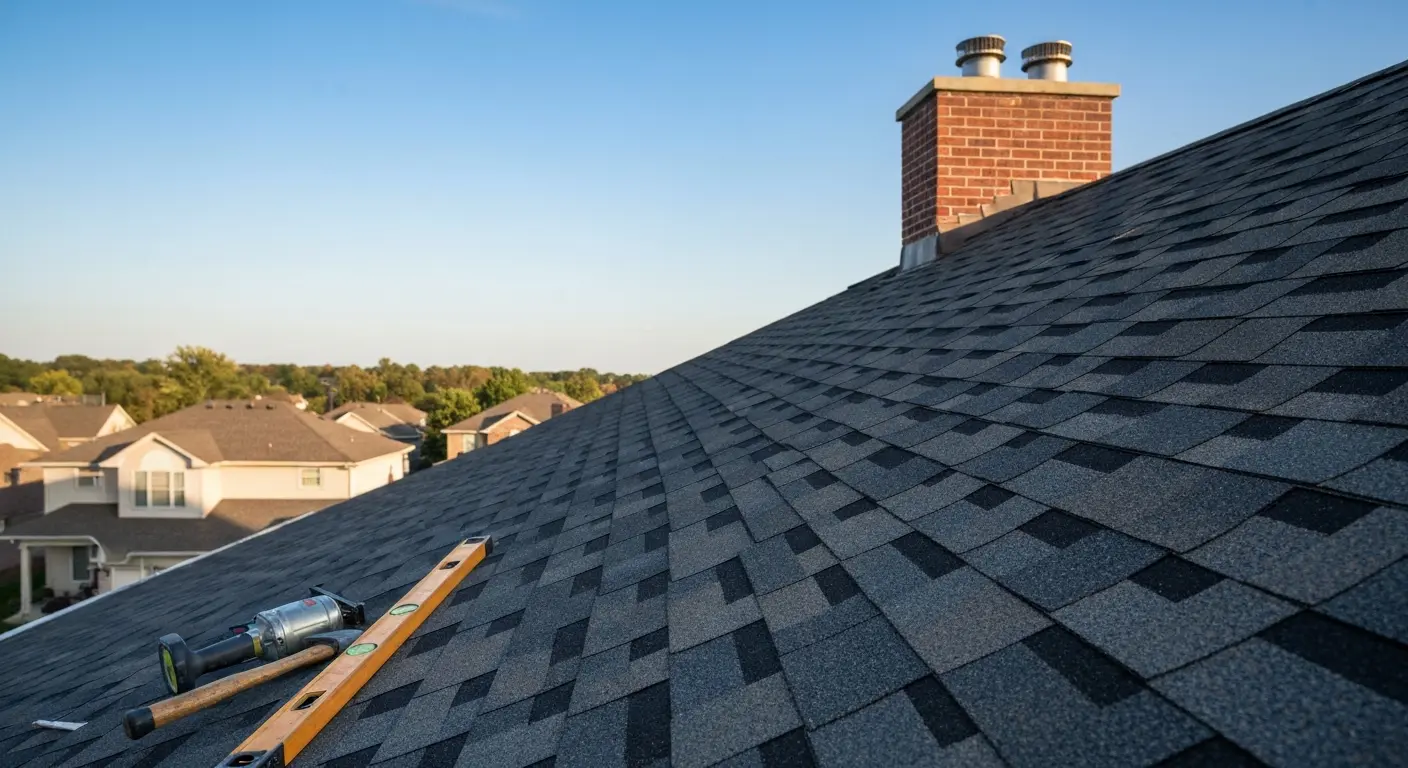
Local contractors understand Country Club Hills roofing requirements and material standards.
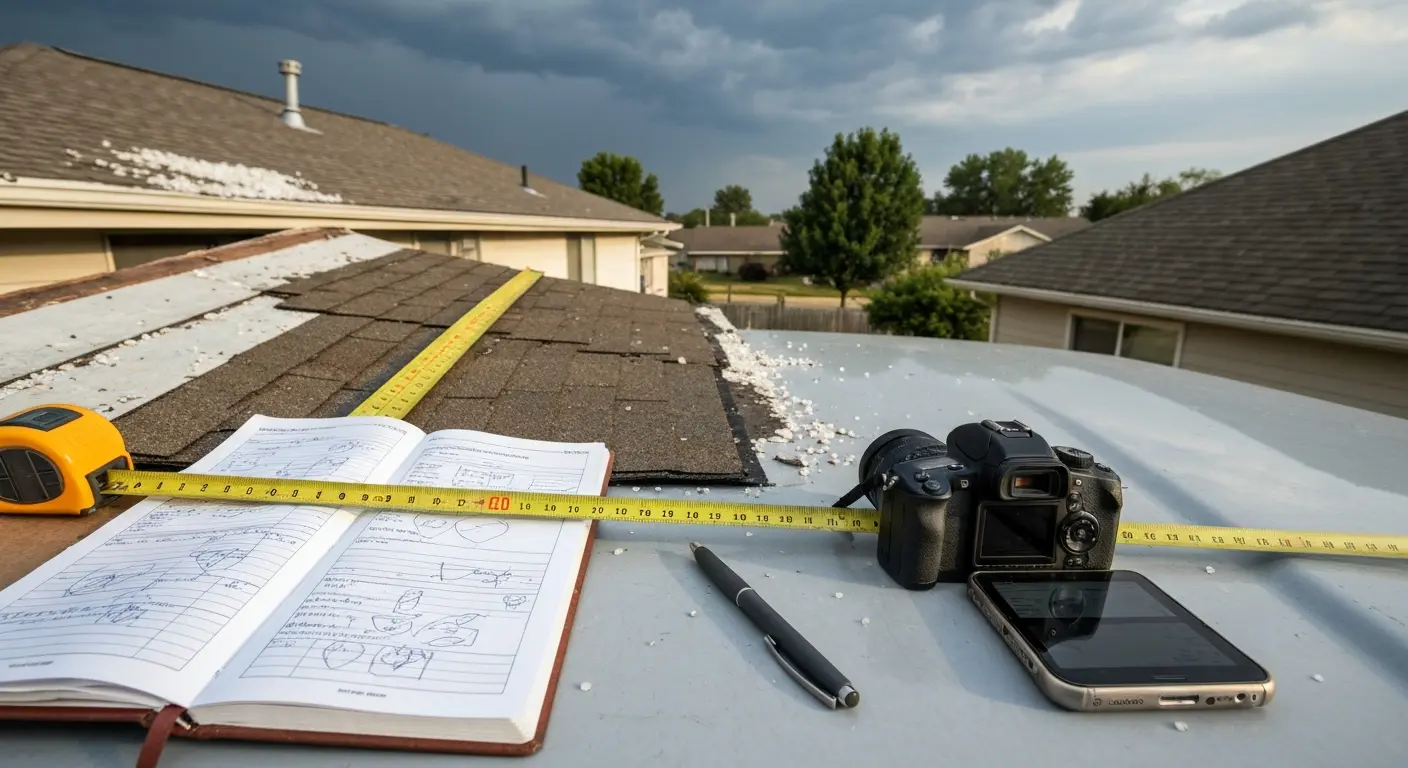
Professional inspections document hail and wind damage before insurance adjusters visit.
Insurance Claim Navigation
Contractors who work regularly with insurance companies know how to document damage properly. They speak the adjuster's language and can request supplements if the initial settlement is too low.
Contractors who understand Country Club Hills weather patterns—hail in spring, ice dams in winter, high winds year-round—select impact-resistant materials and install extra protection.
Access & Logistics
Country Club Hills has overnight parking restrictions (3–6 a.m.) and neighborhood-specific access patterns. Local crews know how to stage equipment, manage parking exemptions, and minimize disruption near subdivisions near 175th and Maple Avenue.
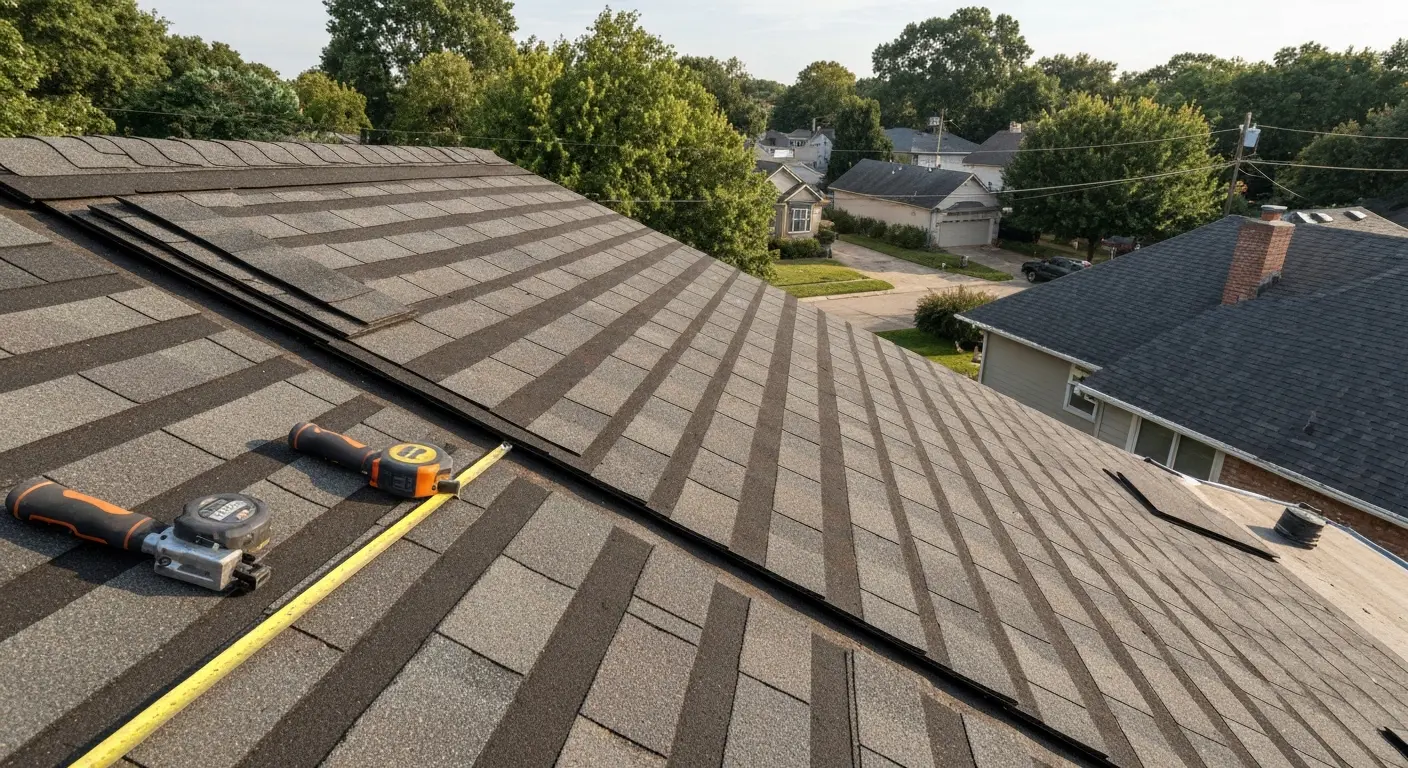
Efficient roof installation requires local knowledge of neighborhood access and parking rules.
What You Should Know About Storm Damage
Hail Damage vs. Normal Wear
Insurance only covers storm damage, not aging. Hail creates round dents with exposed wood or color change. A professional can distinguish a 5-year-old roof that happens to have storm damage from one at end of life. This distinction affects your settlement.
Actual Cash Value vs. Replacement Cost
Insurance initially pays Actual Cash Value (ACV), which subtracts depreciation. After you complete repairs, you submit invoices and receive the Replacement Cost Value (RCV) minus any remaining items. Keep all receipts and invoices.
20+ years of experience serving Country Club Hills homeowners. 500+ projects completed with proper insurance coordination.
Hidden Damage & Secondary Claims
Wind and hail often damage more than shingles. Flashing, gutters, siding, and skylights may also be affected. File supplements with your insurer to capture missed items. Experienced contractors know where to look.
Serving Country Club Hills & Nearby Areas
We serve homeowners throughout Country Club Hills, including areas near Cicero Avenue, 183rd Street, the Community Parks at 175th & Maple, and adjacent neighborhoods.
Getting Here
From City Hall (4200 W. 183rd St), head east on 183rd Street toward Pulaski Avenue. Turn north on Pulaski to reach neighborhoods throughout central Country Club Hills. Our crews service properties from the Cook County Forest Preserve borders (west) to Hazel Crest (east), and from the Markham boundary (north) to Matteson (south).
Whether your home is in a subdivision near Tinley Park or in the downtown Country Club Hills area, we handle parking, access, and project coordination smoothly.
Frequently Asked Questions
How soon after a storm should I file a claim?
File within 30 days of the storm to meet policy timelines. However, you have up to 12 months (sometimes 24) to document and file. Get a professional inspection immediately so you have evidence ready.
Will my homeowner's insurance cover hail damage?
Yes, standard homeowner policies cover hail and wind damage as named perils. Your coverage depends on your specific policy and deductible. Contact your insurer to confirm coverage before filing.
Can I choose my own roofing contractor to repair damage?
Yes. You select your contractor, not the insurance company. Choose a licensed, insured professional with experience handling insurance claims and Country Club Hills building codes.
What if the insurance settlement doesn't cover all the damage?
Request a supplement claim. Your contractor documents additional damage discovered during repairs and submits it to insurance. Many claims are initially underestimated.
What is depreciation and how does it affect my claim?
Insurance deducts depreciation from the full replacement cost. You receive Actual Cash Value upfront, then the depreciation amount after you submit repair invoices. This covers the full replacement cost without out-of-pocket expense if repairs match the estimate.
Are there parking or access restrictions in Country Club Hills I should know about?
Yes. Street parking is prohibited 3–6 a.m. unless you have an exemption. Our crews coordinate with your HOA and the city to obtain necessary permits and exemptions, ensuring zero disruption to your neighborhood.
DISCOVER WHAT OUR CUSTOMERS HAVE TO SAY ABOUT US
REVIEWS
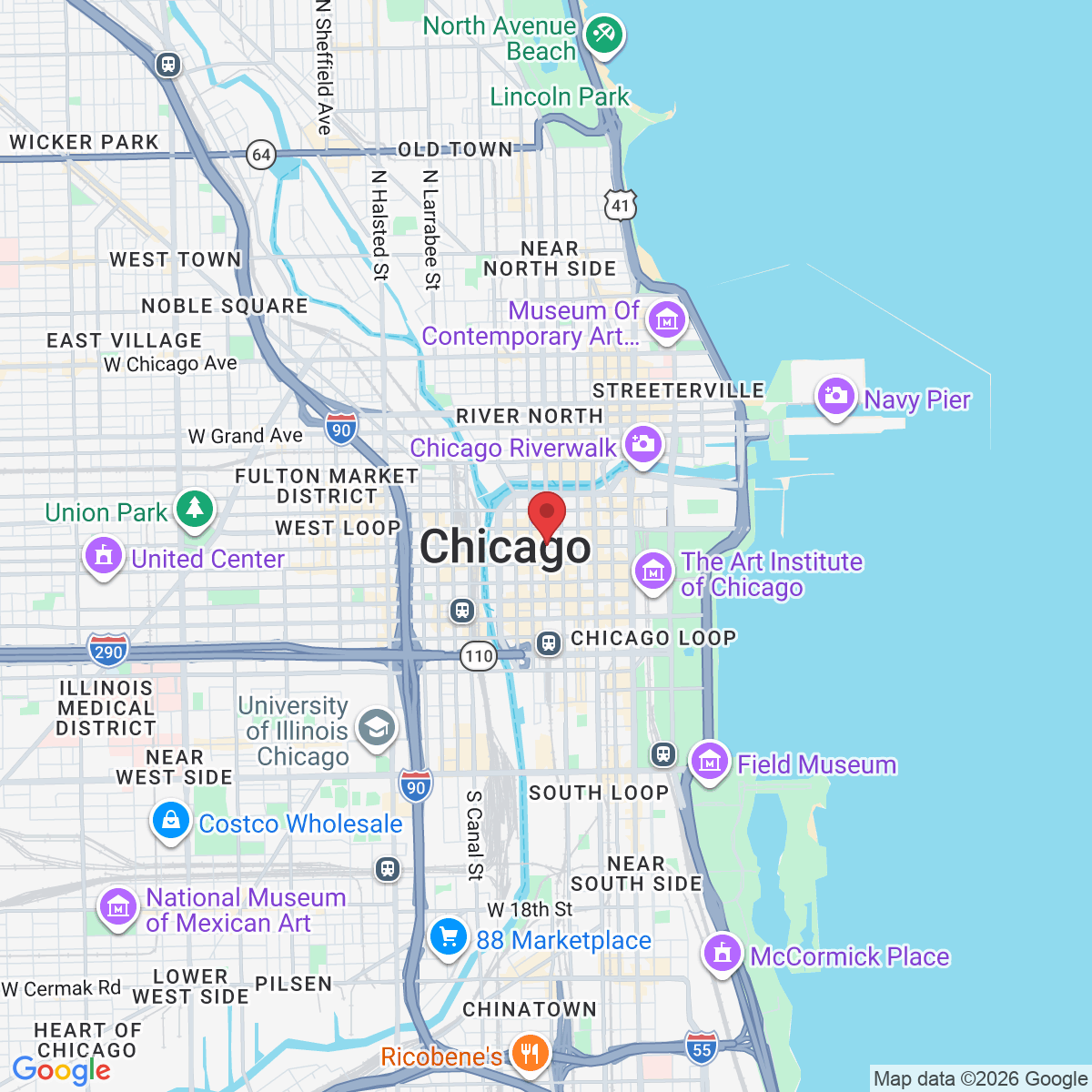
proudly serving these areas
Chicago, IL
Rockford, IL
Sheridan, IL
Oswego, IL
Sandwich, IL
Lincoln Park, IL
Lakeview, IL
READY TO take the next step?
get a free quote TODAY!
QUICK LINKS
our services
service areas
operating HOURS
Mon: 8:00 am - 7:00 pm
Tue: 8:00 am - 7:00 pm
Wed: 8:00 am - 7:00 pm
Thu: 8:00 am - 7:00 pm
Fri: 8:00 am - 7:00 pm
Sat: 8:00 am - 7:00 pm
Sun: Closed - Closed